Driving Perfomance

IT Technology

7. DEVOPS ENGINEERING

Course Overview

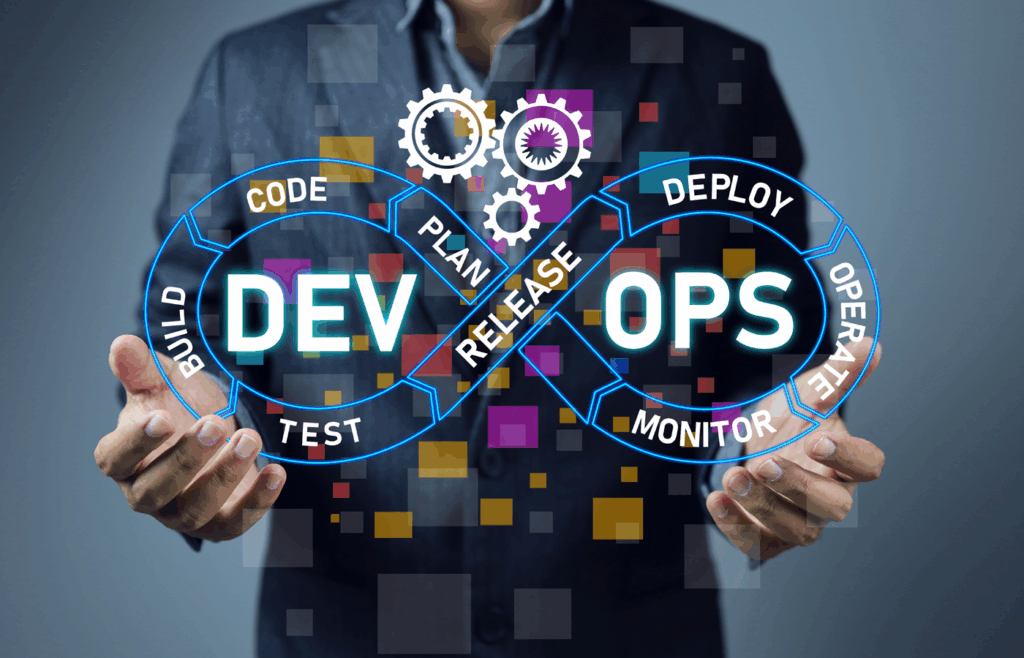
The DevOps Engineering Course is designed to train   and professionals in modern software delivery practices using automation, continuous integration, continuous deployment (CI/CD), containerization, and cloud-native technologies.
Course Syllabus
  1. Linux & Shell Scripting
  2. Git & Version Control
  3. Jenkins CI/CD
  4. Docker
  5. Kubernetes
  6. Infrastructure as Code
  7. Monitoring Tools (Grafana, Prometheus)
Outcomes
  • Git & GitHub for version control and collaborative development
  • Build and manage CI/CD pipelines using Jenkins
  • Create, run, and manage Docker containers for application deployment
  • Deploy and orchestrate applications using Kubernetes
  • Automate software delivery processes end-to-end

8. FULL-STACK DEVELOPMENT

Course Overview

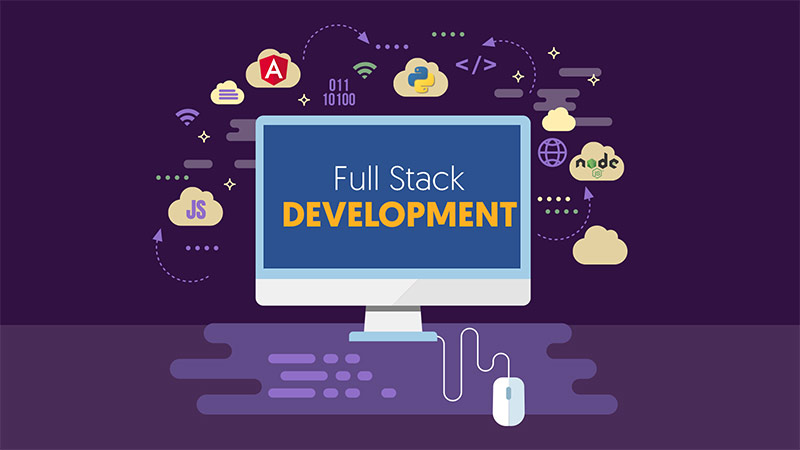
The Full-Stack Development Course trains   to build complete web applications using the MERN stack—MongoDB, Express.js, React.js, and Node.js. This course covers everything from front-end design to back-end logic, database integration, API development, authentication, and deployment.

Course Syllabus
  1. HTML, CSS, JavaScript
  2. js
  3. js & Express.js
  4. MongoDB
  5. API Development
  6. Authentication & Security
  7. Full Web Application Project
Outcomes
  • Build responsive websites using HTML, CSS & JavaScript
  • Develop dynamic front-end applications using js (components, hooks, routing)
  • Build server-side applications using js & Express.js
  • Work with MongoDB for database design, CRUD operations, and data modeling
  • Create REST APIs and integrate them with front-end applications
  • Implement secure login systems using JWT, cookies, and authentication flows
  • Deploy applications on platforms like Netlify, Vercel, Render, or AWS
  • Create a strong full-stack developer portfolio

9. SOFTWARE TESTING (Manual + Automation)

Course Overview

The Software Testing (Manual + Automation) Course trains   to test applications for functionality, performance, security, and usability. The course begins with manual testing foundations, test case design, bug reporting, and QA processes.

By the end of the course, learners can perform end-to-end testing, automate repetitive tasks, write test scripts, and be job-ready for QA roles in IT companies.
Course Syllabus
  1. Manual Testing Basics
  2. Test Case Design
  3. Selenium Automation
  4. Postman API Testing
  5. Test Management Tools
  6. QA Practices
Outcomes
  • Understand the fundamentals of manual testing, SDLC, and STLC
  • Design effective test cases and prepare professional bug reports
  • Perform functional, regression, integration, and system testing
  • Automate web applications using Selenium WebDriver
  • Test REST APIs using Postman (GET, POST, PUT, DELETE requests)
  • Execute real-time testing on live applications
  • Perform end-to-end testing combining manual + automation

10. MOBILE APP DEVELOPMENT

Course Overview

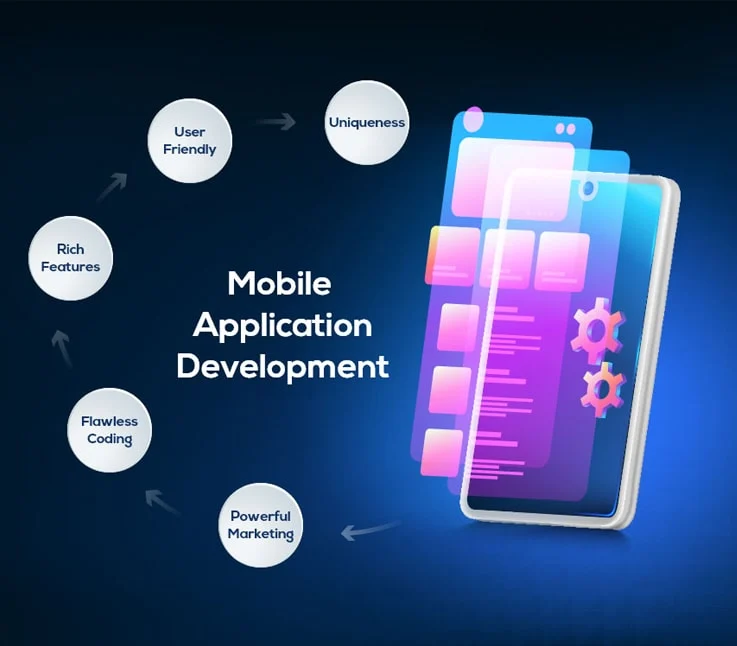
The Mobile App Development Course trains   to build high-quality Android, iOS, and cross-platform applications using Android Studio, Xcode, Kotlin, Swift, and Flutter.

Course Syllabus
  1. Android Studio / Xcode
  2. Kotlin / Swift
  3. Flutter Cross-Platform
  4. UI/UX for Mobile
  5. API & Database Integration
  6. Performance Optimization
Outcomes
  • Build Android apps using Android Studio and Kotlin
  • Develop iOS apps using Xcode and Swift
  • Create cross-platform apps using Flutter (Android + iOS)
  • Design clean and user-friendly mobile interfaces following UI/UX principles
  • Integrate APIs, JSON, and backend services into mobile apps
  • Implement authentication, navigation, and state management
  • Optimize app performance for speed, memory, and battery efficiency
  • Debug, test, and publish apps on Play Store and App Store
  • Build a complete mobile application project for a professional portfolio

11. UI/UX DESIGN

Course Overview

The UI/UX Design Course trains   to create beautiful, user-friendly digital experiences for websites, mobile apps, and software products.
This course covers design principles, color theory, typography, UX research, wireframing, UI components, and prototyping using Figma—the industry’s most widely used design tool.
Course Syllabus
  1. Design Basics
  2. Color & Typography
  3. UX Research
  4. Wireframes
  5. Prototyping (Figma)
  6. UI Components
  7. Portfolio Project
Outcomes
  • Understand the fundamentals of design principles, layout, spacing, and alignment
  • Apply color theory and typography to create visually appealing designs
  • Build wireframes (low-fidelity & high-fidelity) for web and mobile apps
  • Design fully interactive prototypes using Figma
  • Apply modern UI/UX practices such as responsiveness, accessibility, and design systems
  • Design complete mobile and web app interfaces from scratch
  • Build a professional portfolio project to showcase to employers

12. C PROGRAMMING

Course Overview

C is a foundational programming language used for system programming, embedded systems, operating systems, and performance-critical applications. This course teaches   how to write efficient programs, understand memory management, and build strong logic required for advanced programming.

Course Syllabus
  1. Introduction to Programming
  2. Data Types & Variables
  3. Operators & Expressions
  4. Conditional Statements & Loops
  5. Functions & Recursion
  6. Arrays & Strings
  7. Pointers
  8. Structures & Unions
  9. File Handling
  10. Mini Project
Outcomes
  • Ability to write structured C programs
  • Understanding of pointers, memory, and data handling
  • Prepared for advanced programming and IT courses
  • Develop a mini C-based project