
Home » EV Technology
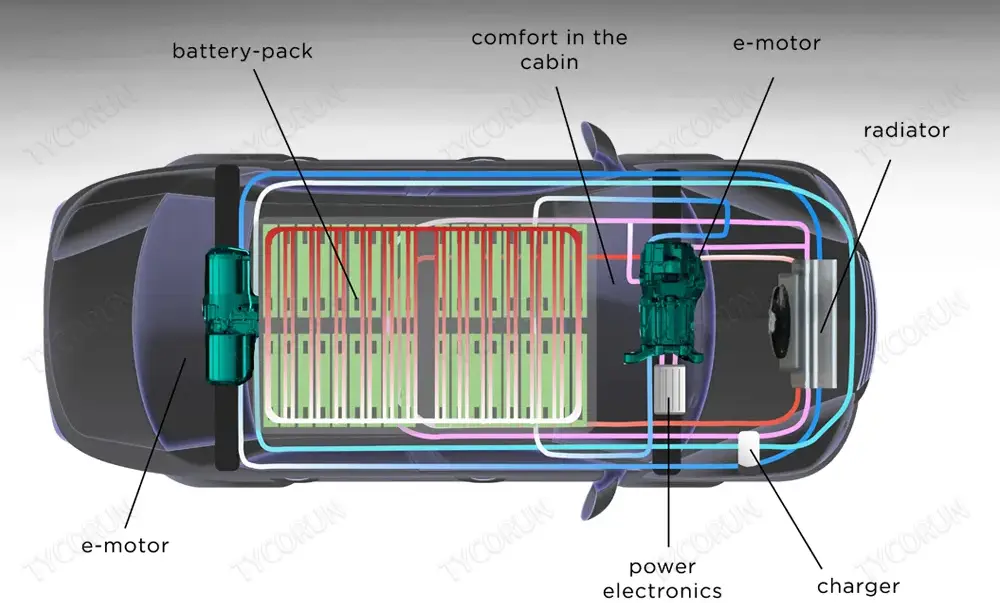
This course focuses on the thermal behaviour of lithium-ion batteries, heat generation mechanisms, cooling/heating strategies, battery safety, and design optimization in electric vehicles. It prepares engineers to design, model, and validate battery thermal systems using industry tools and methods.
Module 1: Introduction to Battery Technologies (Li-ion, LFP, NMC, Solid-State)
Module 2: Heat Generation in Battery Cells, Modules & Packs
Module 3: Thermal Runaway & Battery Safety Mechanisms
Module 4: Cooling Methods
Module 5: Thermal Modeling & Simulation
Module 6: Battery Pack Architecture & Sensor Integration
Module 7: BMS & Thermal Control Algorithms
Module 8: Thermal Validation, Testing & Standards
Module 9: Project: Battery Cooling System Design
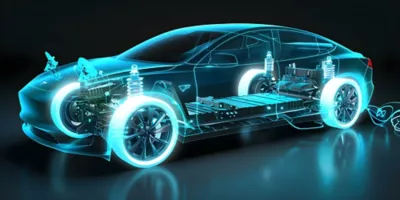
A comprehensive program covering electric motors, power electronics, energy management, drivetrain architecture, and control strategies used in modern electric vehicles. Focuses on both component-level design and system-level integration.
Module 1: EV Architecture Overview
Module 2: Electric Machines
Module 3: Power Electronics
Module 4: Torque, Speed & Efficiency Control
Module 5: Vehicle Dynamics & Drivetrain Modeling
Module 6: Regenerative Braking Algorithms
Module 7: Energy Management Strategies
Module 8: Motor Control (FOC, DTC, PWM)
Module 9: Testing, Validation & Fault Diagnosis
Module 10: Final Project: Powertrain Simulation
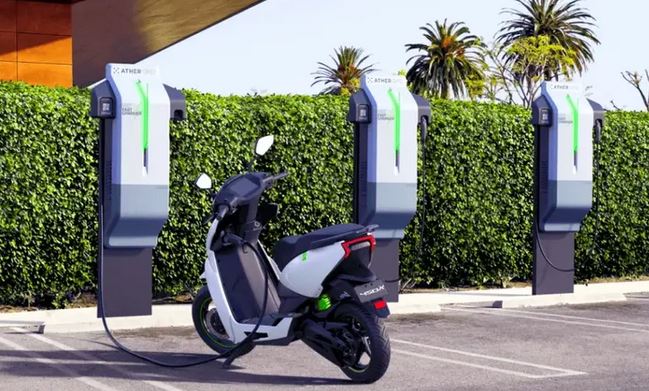
This course covers charging station design, grid integration, communication protocols, EVSE hardware, and global charging standards (CCS, CHAdeMO, GB/T). It prepares individuals to work on EV charging projects, policies, and engineering teams.
Module 1: Introduction to EV Charging Landscape
Module 2: Types of Charging
Module 3: Charging Station Components
Module 4: Global Standards & Protocols
Module 5: Grid Integration & Load Management
Module 6: Charging Network Architecture
Module 7: Safety Standards & Regulation
Module 8: Business Models (Public, Fleet, Home Charging)
Module 9: Project: Design of a DC Fast-Charging Station
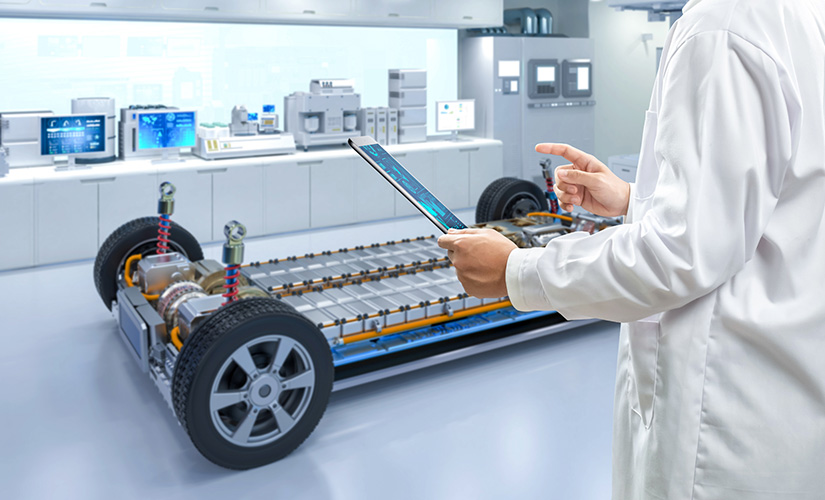
A complete study of thermal systems used in electric vehicles, covering cabin cooling, battery thermal management, motor/inverter cooling, and integrated thermal systems. The course focuses on system design, HVAC architecture, and simulation.
Module 1: Overview of Thermal Needs in EVs
Module 2: Heat Sources & Losses in EV Components
Module 3: EV HVAC System Architecture
Module 4: Refrigeration Cycles & Heat Pump Systems
Module 5: Integrated Thermal Management Systems (ITMS)
Module 6: Coolant Loops & Refrigerant Circuits
Module 7: Advanced Insulation & Materials
Module 8: Simulation Tools & Modeling Techniques
Module 9: Case Studies (Tesla, BYD, Hyundai)
Module 10: Final System-Level Thermal Project
we are formally known as Headwaters Training Consultants Pvt. Ltd. PROPUPIL empowers growth through tailored solutions that boost leadership, performance, and strategic alignment.
© Copyright 2025. All Rights Reserved By PROPUPIL Learning Consultants. Designed by Digju.com