
Home » Vehicle Electronics
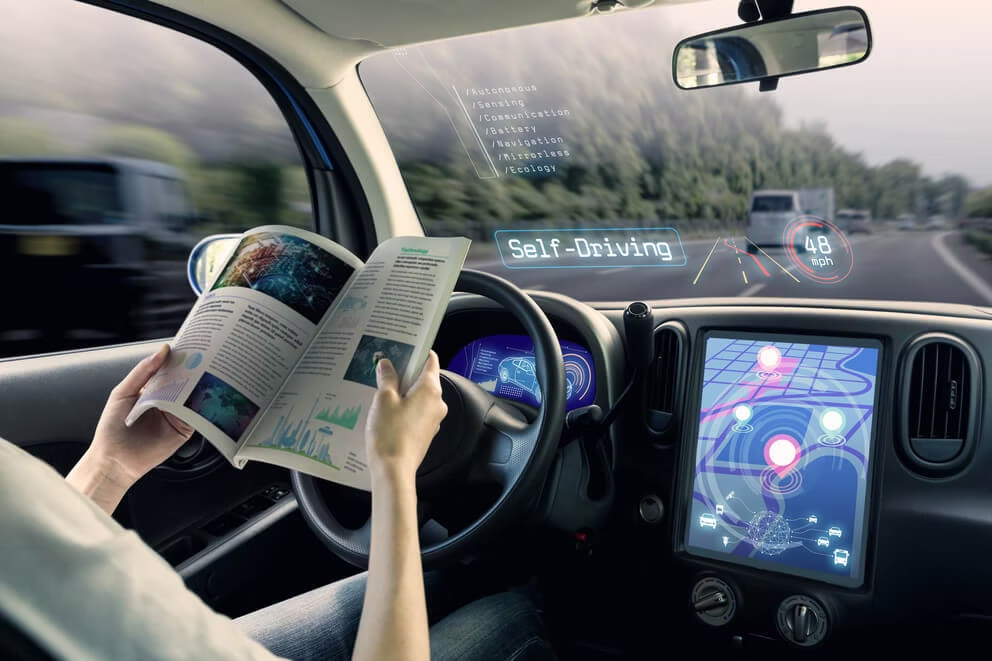
This course provides a comprehensive understanding of Advanced Driver Assistance Systems and the foundations of autonomous driving. It covers sensing technologies, perception, decision-making, control, simulation, and validation strategies used in Level 1–4 autonomous systems.
Module 1: Introduction to ADAS & Autonomous Driving Levels
Module 2: Sensors for ADAS
Module 3: Perception Systems
Module 4: Localization & Mapping
Module 5: Path Planning & Decision Making
Module 6: Vehicle Control Systems
Module 7: Hardware & Software Architecture
Module 8: Simulation & Validation Tools
Module 9: Project: Build an ADAS Prototype Pipeline
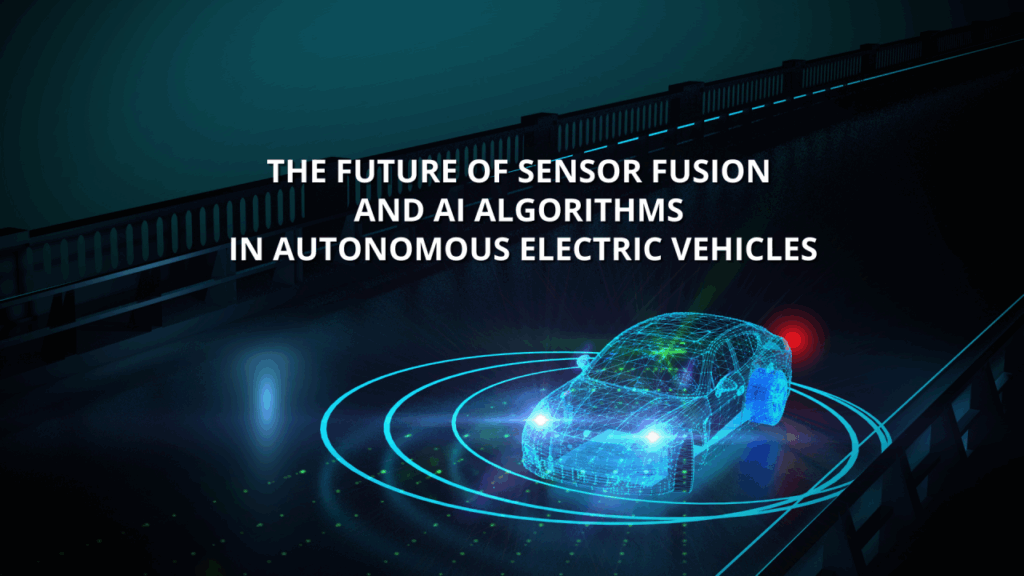
This course focuses on the algorithmic foundations of perception systems using multi-sensor data (camera, LiDAR, radar). It covers fusion techniques, computer vision, deep learning, and signal processing for autonomous vehicles and robotics.
Module 1: Introduction to Perception Systems
Module 2: Sensor Physics & Characteristics
Module 3: Computer Vision Algorithms
Module 4: Deep Learning for Perception
Module 5: Sensor Fusion Techniques
Module 6: 3D Perception
Module 7: Localization & Mapping Basics
Module 8: Project: Multi-sensor Fusion Perception Model
This course trains engineers to design, develop, and integrate IVI systems, covering multimedia frameworks, HMI development, Android Automotive OS, connectivity protocols, and ECU integration.
Module 1: Introduction to IVI Architecture
Module 2: Android Automotive / GENIVI / QNX Basics
Module 3: HMI/UX Development
Module 4: Multimedia Systems
Module 5: Connectivity & Interfaces
Module 6: Navigation Systems & GNSS Integration
Module 7: Security & Over-The-Air (OTA) Updates
Module 8: Testing & Validation of IVI Systems
Module 9: Project: Custom IVI Application or HMI
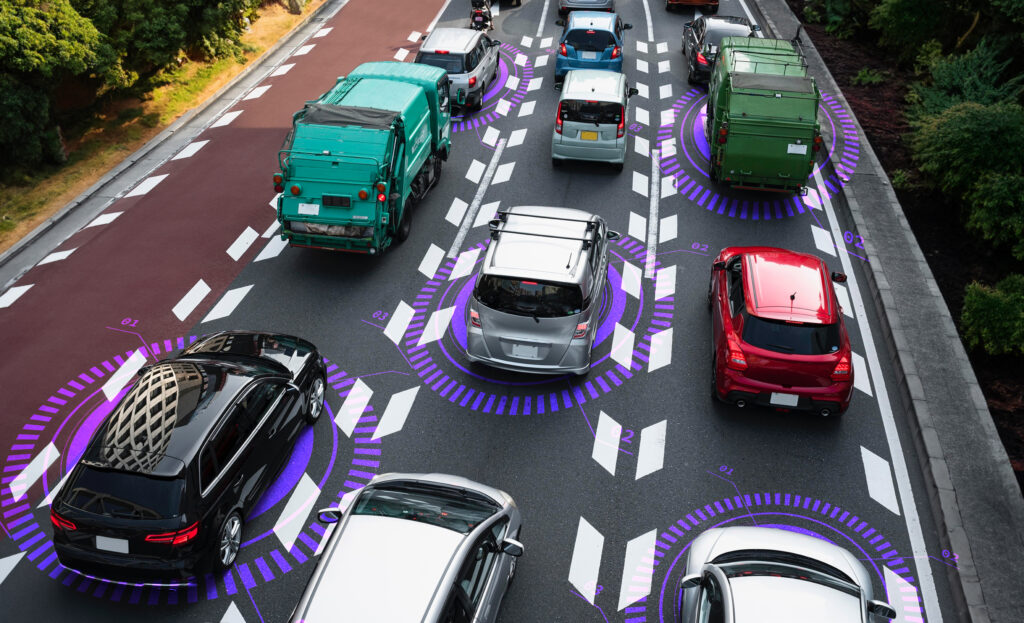
This course provides hands-on expertise in automotive communication networks essential for ECUs to communicate. It covers protocol fundamentals, message framing, diagnostics, network design, and tools used for testing and validation.
Module 1: Introduction to In-Vehicle Networks
Module 2: CAN Protocol
Module 3: LIN Protocol
Module 4: FlexRay Protocol
Module 5: Automotive Ethernet
Module 6: Diagnostics (UDS on CAN & Ethernet)
Module 7: Network Architecture & System Integration
Module 8: Project: End-to-End ECU Network Simulation
we are formally known as Headwaters Training Consultants Pvt. Ltd. PROPUPIL empowers growth through tailored solutions that boost leadership, performance, and strategic alignment.
© Copyright 2025. All Rights Reserved By PROPUPIL Learning Consultants. Designed by Digju.com